

builtinovens0709
About builtinovens0709
Guide To Integrated Ovens: The Intermediate Guide To Integrated Ovens
Comprehensive Guide to Integrated Ovens in the UK
Integrated ovens have actually ended up being increasingly popular in modern homes across the UK, thanks to their space-saving designs and sleek aesthetic appeals. As more property owners seek to develop a seamless appearance in their kitchen areas, integrated ovens deliver both functionality and a contemporary touch. This short article provides an extensive exploration of integrated ovens, covering their advantages, features, types, and factors to consider to assist you make an educated option.
What is an Integrated Oven?
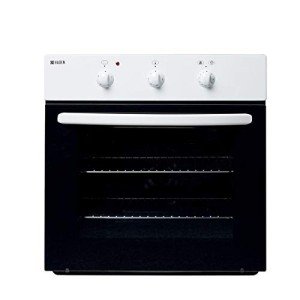
An integrated oven is designed to be built into kitchen cabinetry, giving a streamlined and cohesive appearance. Unlike freestanding ovens, which stand alone and can control the kitchen space, integrated ovens are tucked away within units, often at eye level. This creative style not only takes full advantage of area however also improves the visual appeal of the kitchen.

Benefits of Integrated Ovens
- Visual Appeal: Integrated ovens blend effortlessly with cabinetry, creating a contemporary, uncluttered appearance.
- Space Efficiency: Ideal for smaller sized kitchen areas, integrated ovens make effective usage of space without jeopardizing on style.
- Convenient Access: Many integrated ovens are placed at eye level, making it much easier to examine food without flexing down.
- Temperature level Control: These ovens often come equipped with sophisticated temperature-control functions, guaranteeing even cooking.
- Energy Efficiency: Many contemporary integrated ovens boast energy-efficient scores, helping to lower electric expenses.
Key Features to Consider
When picking an integrated oven, there are several functions to keep in mind:
- Size: Common widths for integrated ovens include 60 cm and 70 cm, but it’s important to determine your kitchen space properly.
- Cooking Functions: Look for models with numerous cooking settings such as fan-assisted, grill, and traditional heat.
- Controls: Touch controls, dials, or knobs ought to be easy to use. Some are even programmable, allowing for accurate cooking times.
- Self-Cleaning Options: Integrated ovens with self-cleaning technology streamline maintenance.
- Energy Rating: An A+ ranking or higher can show lower energy intake.
Kinds Of Integrated Ovens
- Single Ovens: These basic ovens fit perfectly into any kitchen and are normally the most common option.
- Double Ovens: For those who often cook numerous meals all at once, double integrated ovens use extra area and flexibility.
- Mix Ovens: These designs include both an oven and microwave functionality, making them versatile for different cooking approaches.
- Steam Ovens: Some designs feature steaming abilities, permitting for much healthier cooking alternatives by retaining nutrients.
Popular Brands of Integrated Ovens in the UK
The UK market uses a variety of relied on brands, each with distinct features. Here are a few of the most popular:
| Brand | Secret Features |
|---|---|
| Neff | Slide & & Hide door, unique cooking approaches |
| Bosch | Convenient controls, robust build quality |
| AEG | Steam cooking features, energy-efficient choices |
| Hotpoint | Cost effective, dependable performance |
| Samsung | Smart features and streamlined styles |
Factors to consider Before Buying
Before buying, a number of factors should be thought about to guarantee you pick the best integrated oven for your needs:
- Space Availability: Assess the space where you intend to install the oven, thinking about both width and height.
- Budget: Set a clear spending plan. Integrated ovens can range from budget-friendly to premium costs.
- Service Warranty and Customer Service: Investigate the service warranty duration and customer support provided by the manufacturer.
- User Reviews: Reading reviews from fellow users can provide insight into an oven’s efficiency and dependability.
Setup of Integrated Ovens
Setting up an integrated oven can be a straightforward procedure, however it typically needs mindful preparation. It’s suggested to employ a professional installer to guarantee that your oven is effectively fitted into cabinetry and linked to the electrical supply safely.
Installation Steps:
- Preparation: Measure the set up space thoroughly and get rid of any existing appliances.
- Cabinets: Modify kitchen cabinetry if needed, making sure enough ventilation.
- Electrical Connections: Ensure that a certified electrical expert connects the oven according to local regulations.
- Testing: Once installed, test the oven to confirm it functions correctly.
Frequently Asked Questions (FAQs)
1. Are integrated ovens more costly than freestanding ones?
Integrated ovens can be more expensive due to their style and setup requirements, but prices vary widely based upon functions and brand names.
2. Can I install an integrated oven myself?
While some may try a DIY installation, it’s typically safer and suggested to work with a professional to prevent problems with electrical connections.
3. What is the lifespan of an integrated oven?
With appropriate care, many integrated ovens can last as much as 10-15 years.
4. Can I replace a freestanding oven with an integrated one?
Yes, however ensure that your kitchen cabinetry is ideal for integrated designs, and adjust area as necessary.
5. Do integrated ovens require special maintenance?
Like all ovens, routine cleansing is needed. Numerous modern integrated ovens come with self-cleaning options that streamline upkeep.
Integrated ovens are an exceptional option for those aiming to create a modern-day, coherent kitchen design without sacrificing efficiency. By understanding the benefits, features, and factors to consider surrounding integrated ovens, house owners can make educated choices tailored to their cooking needs and design choices. Whether it’s a single oven or a double, investing in a high-quality integrated model can improve not just your cooking experience but also the aesthetic appeal of your kitchen.
No listing found.